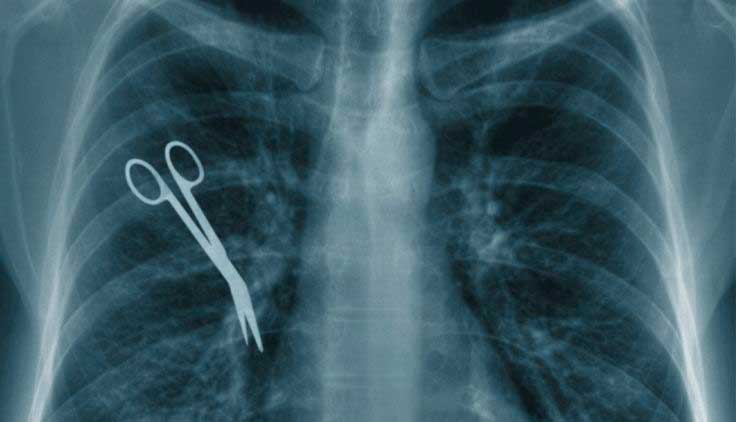
“Safety is our number one priority”. Many companies not only agree with this statement but recognize it as one of the critical values ??of their corporate culture. Although it is common to apply great attention and efforts to process safety and occupational safety, the “human factor” is often neglected in process safety studies.
The traditional approach to accident prevention and risk analysis emphasizes, for the most part, the solution of technological and operational aspects, giving little or no focus to human causes. However, it is demonstrated that in 96% of industrial accidents there was a fault in the interface of the man with the system in which it is inserted, remembering that the failures in the system are, directly or indirectly, related to the man (this is due to the fact that all technological systems are not only operated by people, but are also designed, constructed, organized, managed, maintained and regulated by human beings). The remaining 4% can be attributed to natural causes.
Each task being performed by a human being is an opportunity for an error to occur. The magnitude of this error might determine the continuity of the company’s activities and, therefore, it is fundamental to understand the factors that lead to human error and how to identify and prevent the most consequential errors.
This topic addresses, among other things:
- Definition of Human Error.
- Types and Causes of Human Error.
- Case studies involving Human Error.
- Quantification of Human Error.
- Importance of the role of Management / Supervision in the prevention of human error.
- What can we do to avoid human error?
